
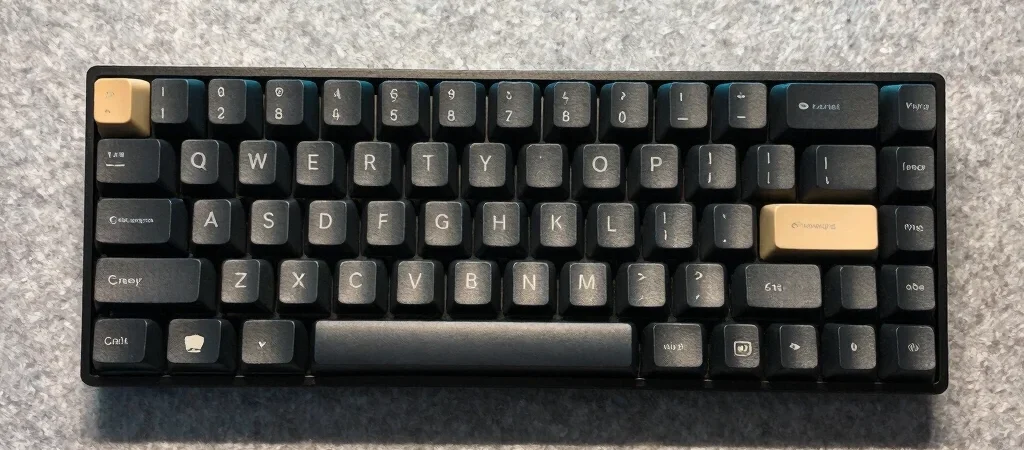
Desk space is prime real estate, and full-sized 104-key boards are increasingly giving way to streamlined compact form factors. Transitioning to a 65% or 75% mechanical keyboard reclaims valuable mouse area without sacrificing essential arrow keys or function rows.
Understanding Layout Differences and Key Switches
A 75% layout retains dedicated function keys and navigation shortcuts while compressing overall chassis length by removing the tenkey pad. Linear switches offer smooth, quiet keypresses favored for quiet office spaces, while tactile switches provide a distinct bump at actuation that aids touch typing accuracy. Hot-swappable printed circuit boards let users exchange key switches without soldering tools, extending overall keyboard lifespan.
Build Quality, Keycaps, and Connectivity
Dual-tone PBT keycaps resist oily finger shine and legend fading far better than inexpensive ABS plastic alternatives. Wireless stability across 2.4GHz USB receivers provides zero-latency performance comparable to wired connections, while Bluetooth support simplifies switching across multiple tablets and laptops. Aluminum top plates add substantial weight that keeps the board anchored firmly during rapid typing sessions.
The Webrified Verdict for Buyers
For users seeking maximum desk space without a steep muscle memory curve, a hot-swappable 75% layout delivers the optimal compromise. Compare keycap height profiles before purchasing to ensure proper wrist alignment during extended sessions. Please note that when you click through our Amazon recommendation links, Webrified may earn an affiliate commission at no extra cost to you.